Campus Board Training: Master the Essentials
If you’ve been climbing for a while and are starting to look beyond basic strength training, campus board training is probably on your radar. It’s one of the most iconic, common, and slightly intimidating tools in the gym. Done right, it can dramatically improve your power, contact strength, and explosiveness. Done wrong, it can lead to injury just as quickly. This guide to campus board training breaks down what you need to know to get started safely and effectively.
What is a Campus Board?
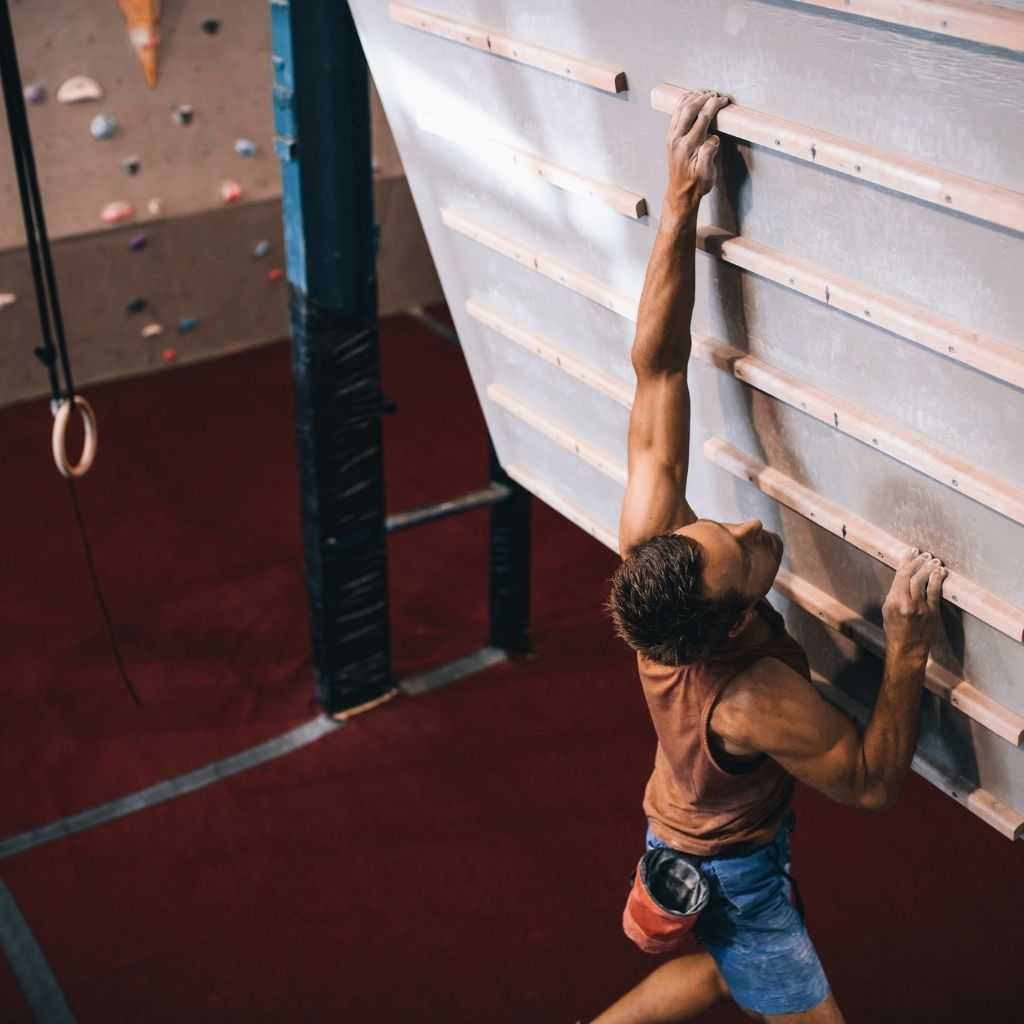
A campus board is a slightly overhanging board fitted with evenly spaced wooden rungs. Unlike regular climbing, campus board training is typically done without using your feet, forcing your upper body to generate all the movement.
The goal isn’t just to hang on, it’s to move dynamically between rungs. That might mean controlled reaches, quick “touches,” or explosive double-hand movements. Because of this, the campus board is primarily used to train power and contact strength, rather than endurance.
You’ll often see climbers jumping between rungs or moving up the board like a ladder, one rung at a time. While it looks impressive, it’s important to remember: the campus board is designed for targeted training, not casual use.
Who should use a campus board?
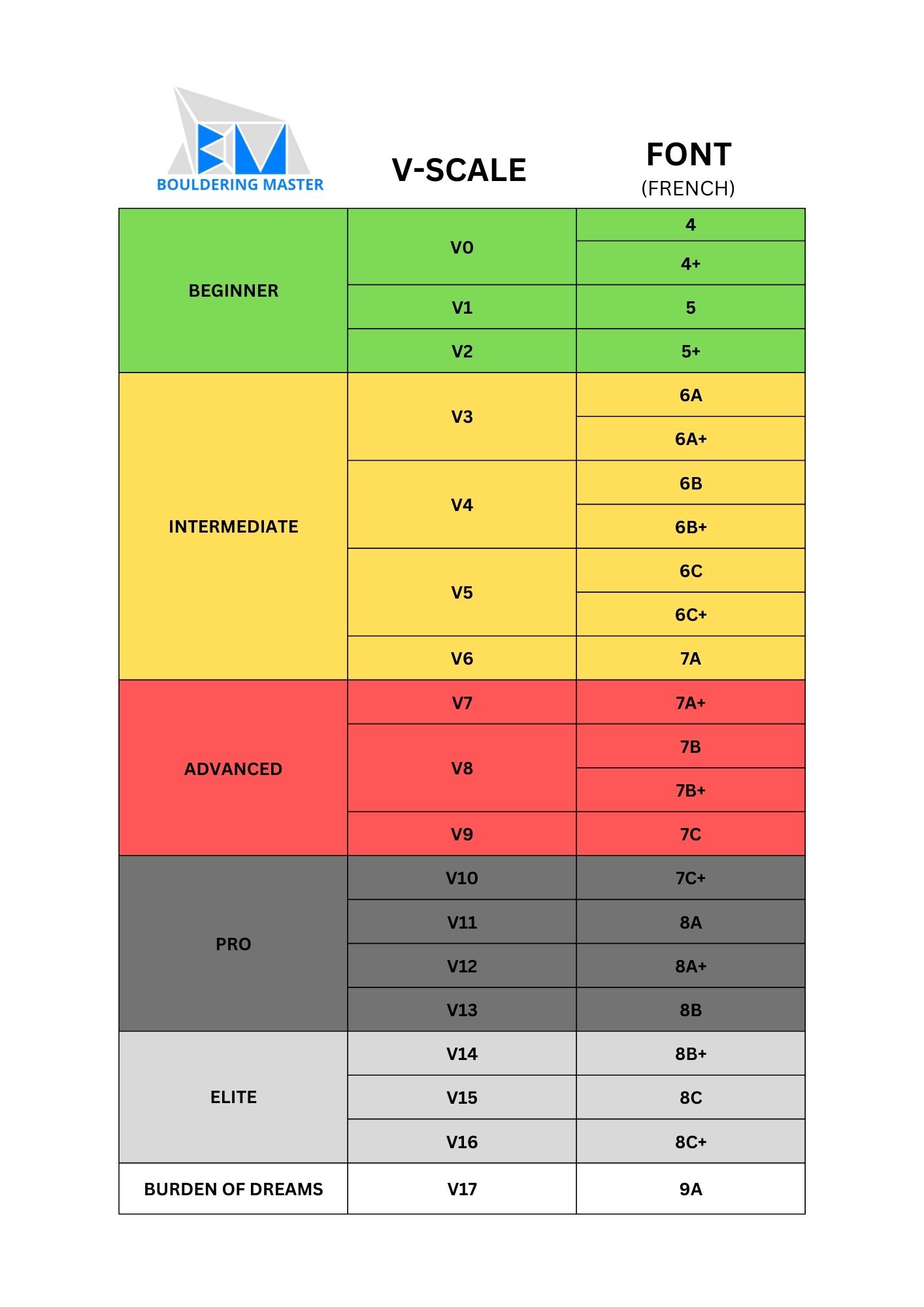
Can you comfortably climb at least V4-V5 (or equivalent)? Do you have solid finger strength? Have you built up foundational body positioning and movement skills on the wall? Do you understand proper warm up and recovery?
If the answer to the above questions are ALL YES, you may be ready to start adding campus board training to your climbing routine.
However, for beginners of rock climbing, there is no need to rush to train your physical fitness immediately. Rushing to start strength training is one of the fastest ways to develop finger, elbow, or shoulder injuries. It is best at this time for beginner climbers to continue to climb. When you encounter a bottleneck period and persist in climbing but your level is stagnant, then it’s time to start physical fitness training. In this way, the effect of training can be maximized and the risk of injury is reduced.
Beginner Friendly Campus Board Training Exercises
Pro Tip: Warm up and recovery are important when using the campus board. Be sure to warm up your shoulders, wrists, and finger joints thoroughly before training. Take rests between attempts to avoid overuse injuries.
Pro Tip: We recommend campus board training frequency to be 1-2 times per week. Avoid scheduling training on the same day as high intensity fingerboard or static strength training to avoid injury.
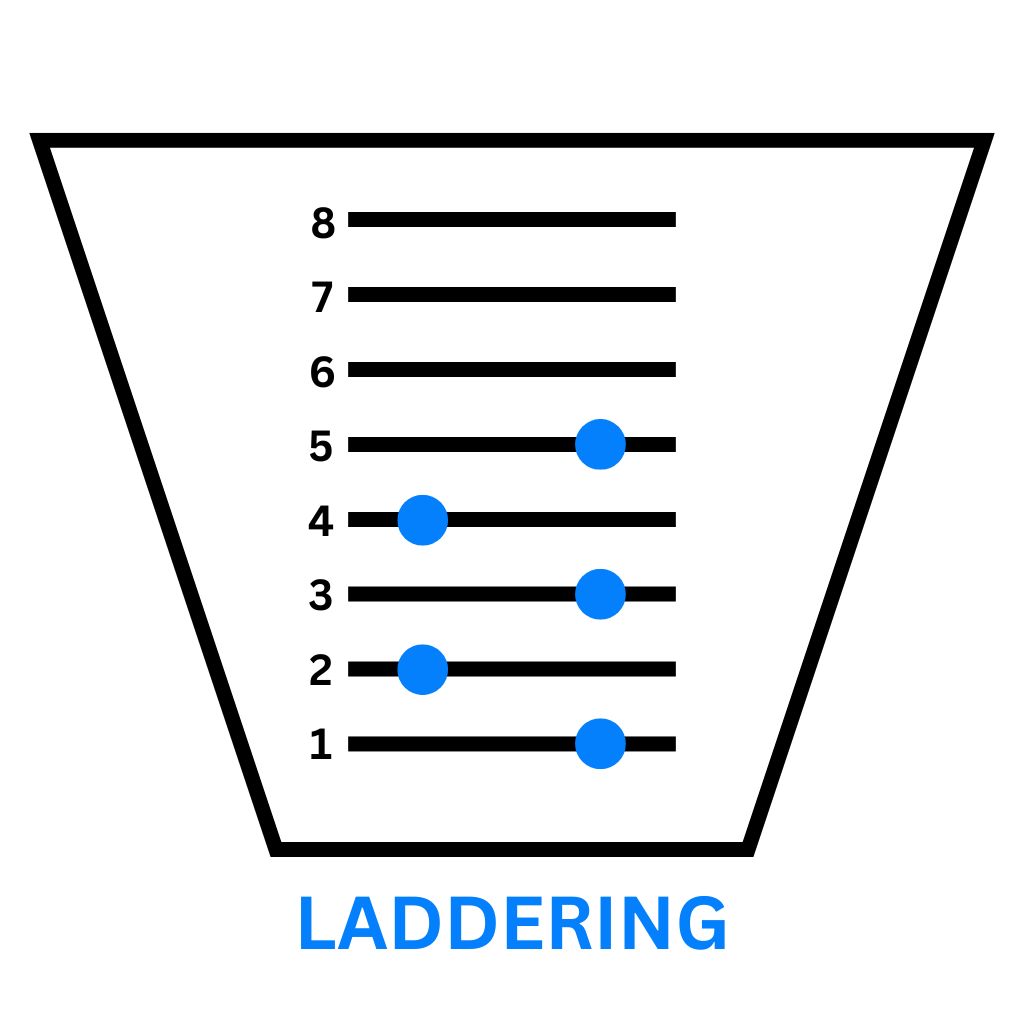
1. Laddering
Move one hand at a time up the board (e.g., 1–2–3–4). Focus on smooth, controlled movement rather than speed. Keep your hips close to the board to maintain tension and avoid swinging. Aim for precision with each hand placement and consistent rhythm.
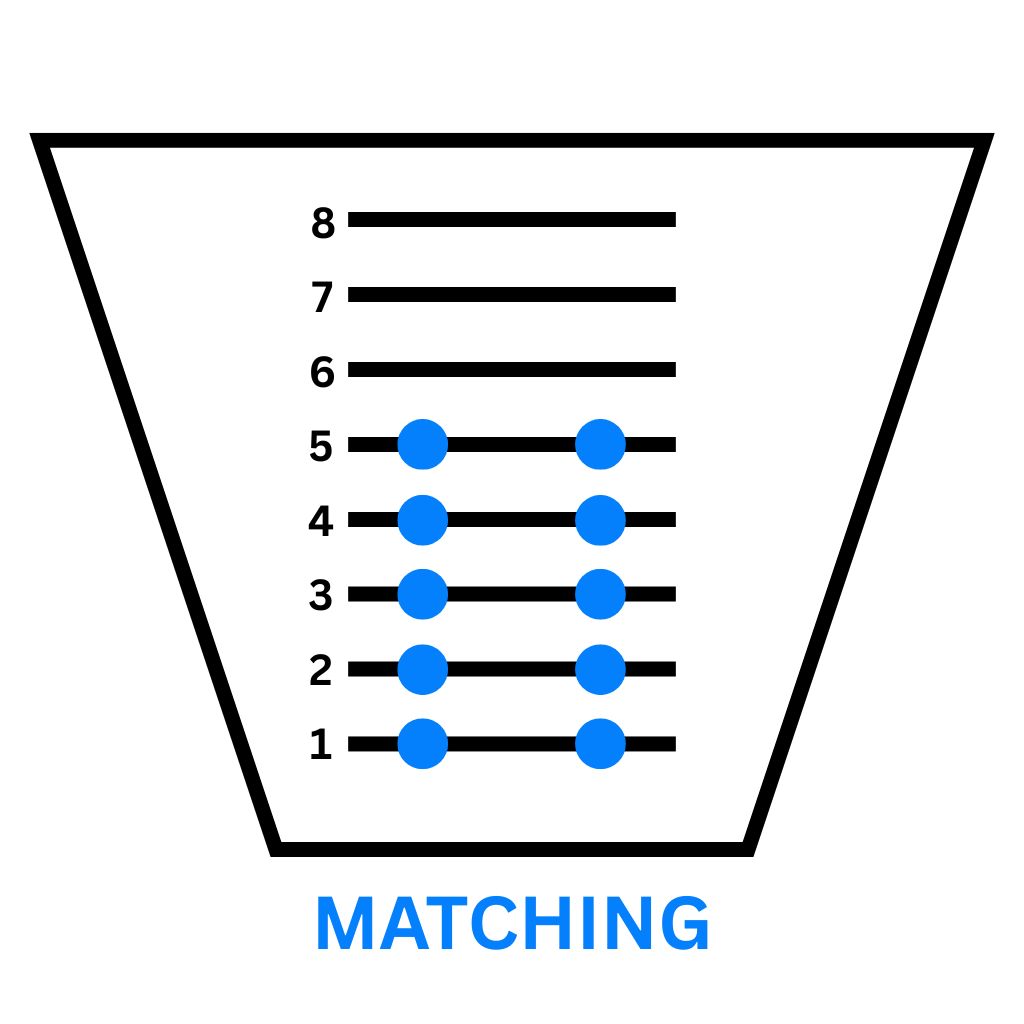
2. Match and Move
Move one hand up, then match it with the other before continuing. This improves coordination and body control. Focus on stabilizing before each match and avoid rushing. This drill helps reinforce accuracy and builds confidence on smaller rungs.
3. Foot-On Campusing
Keep your feet on footholds or the wall while using the rungs. This is really good for beginners that are new to campus board training because it will reduce the strain and help you build proper technique. Great for beginners learning movement patterns! Use your legs lightly for support while still engaging your upper body.
4. Dead Hangs
Hang statically on a rung with both hands to build foundational finger strength. Keep fingers at about a 90-degree angle, arms straight, and shoulders engaged. Avoid sagging into your joints and maintain active tension to protect your shoulders and fingers.
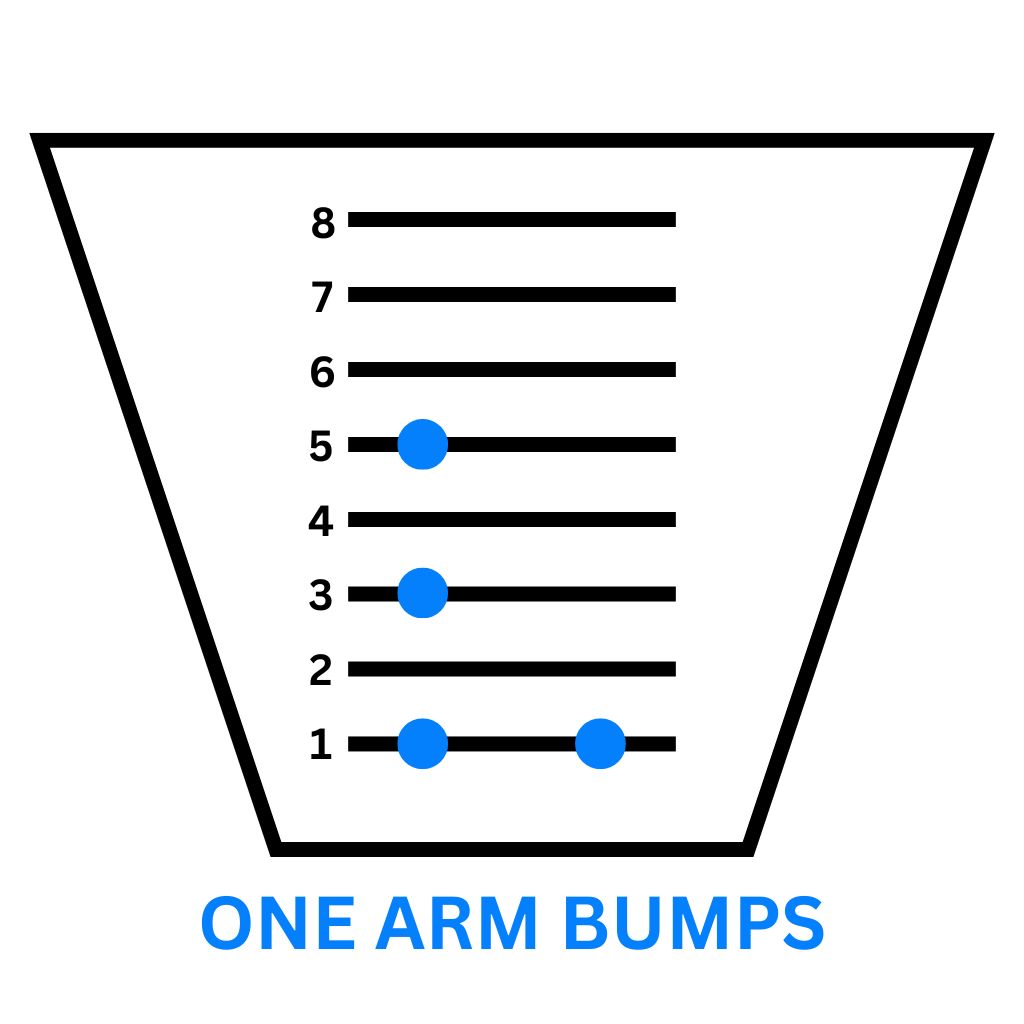
5. One Arm Bumps
Start with both hands on a rung, then “bump” one hand up to the next rung while the other stays. Keep your arm straight, fingers at 90 degrees, and shoulder engaged. Focus on controlled movement rather than explosive power to build contact strength safely.
Check out the video below from Lattice Training to learn more about campus board training and see these exercises in action.


You May Also Like